Trigger Discrimination:
Understanding the Difference Between Then and Now
One of the goals of CBT trauma work is to help the brain recognise the difference between the original traumatic event ("then") and the present day ("now").
After trauma, the brain can become highly sensitive to reminders of the event, known as triggers. These triggers may be sights, sounds, smells, sensations, emotions, places, or situations that resemble aspects of the original trauma. When this happens, the threat system can react as though the danger is happening again, even when you are safe in the present.
Trigger discrimination helps us slow down and notice the differences between the trauma memory and the current situation. By identifying what is different now, we help the brain learn that the threat belongs in the past, not the present.
The aim is not to ignore the trauma or convince yourself that it wasn't significant. Instead, we're helping the brain update its understanding so it can recognise:
"That was then. This is now. I am safe in this moment."
Over time, this process can reduce the intensity of trauma triggers, decrease threat-system activation, and help you feel more grounded, present, and in control when reminders of the trauma appear.
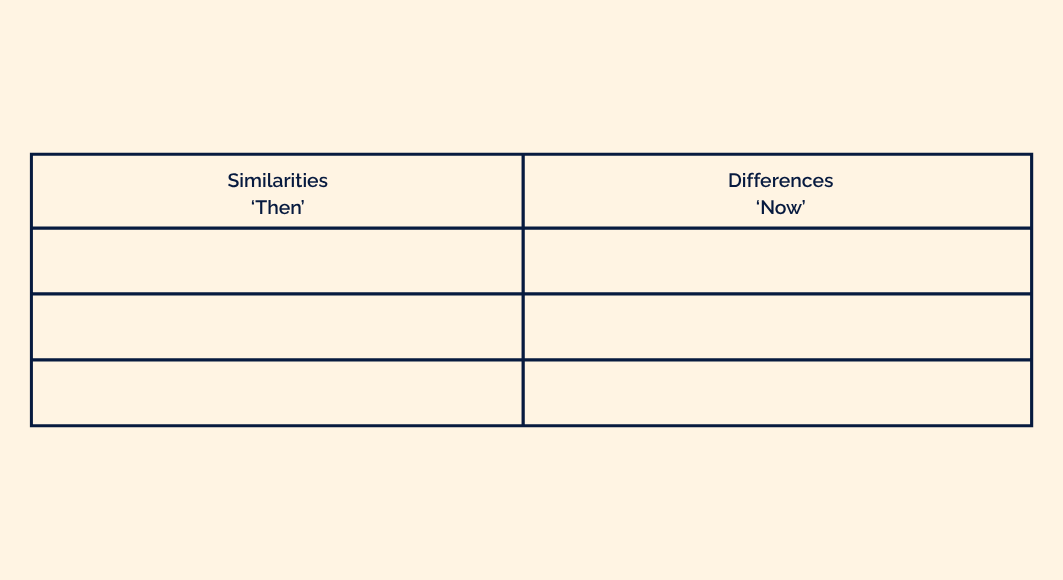
Create a table like below to document the details you can see: