Deep Belly Breathing
(DiaphragMatic Breathing)
Deep belly breathing is one of the simplest and most effective ways of helping the body move out of threat mode and into the soothing system.
When we're living with trauma, stress or uncertainty our threat system switches on automatically. Breathing often becomes faster, shallower, and concentrated in the chest. This sends a message to the brain that we need to stay alert and prepared for danger.
Deep belly breathing does the opposite.
By slowing the breath and breathing deeply into the diaphragm, we activate the parasympathetic nervous system — the body's natural calming system. This helps to:
Slow the heart rate
Reduce muscle tension
Lower stress hormones such as adrenaline and cortisol
Increase feelings of calm and safety
Bring the body out of "fight or flight" mode
As the body begins to settle, the brain receives the message:
"I am safe right now."
This helps switch on the soothing system — the part of the nervous system associated with calm, connection, recovery, and emotional regulation.
Deep belly breathing doesn't remove stress or solve problems. Instead, it helps create the conditions where clearer thinking, problem‑solving, and emotional balance become possible.
Remember
The body listens to breathing.
By slowing and deepening your breath, you're sending a powerful signal of safety to your nervous system and helping your soothing system come online.
🌿 A few slow breaths may seem simple, but they can have a profound impact on how safe and settled your nervous system feels.
Why do we need Deep Belly Breathing?
How to do Deep Breathing:
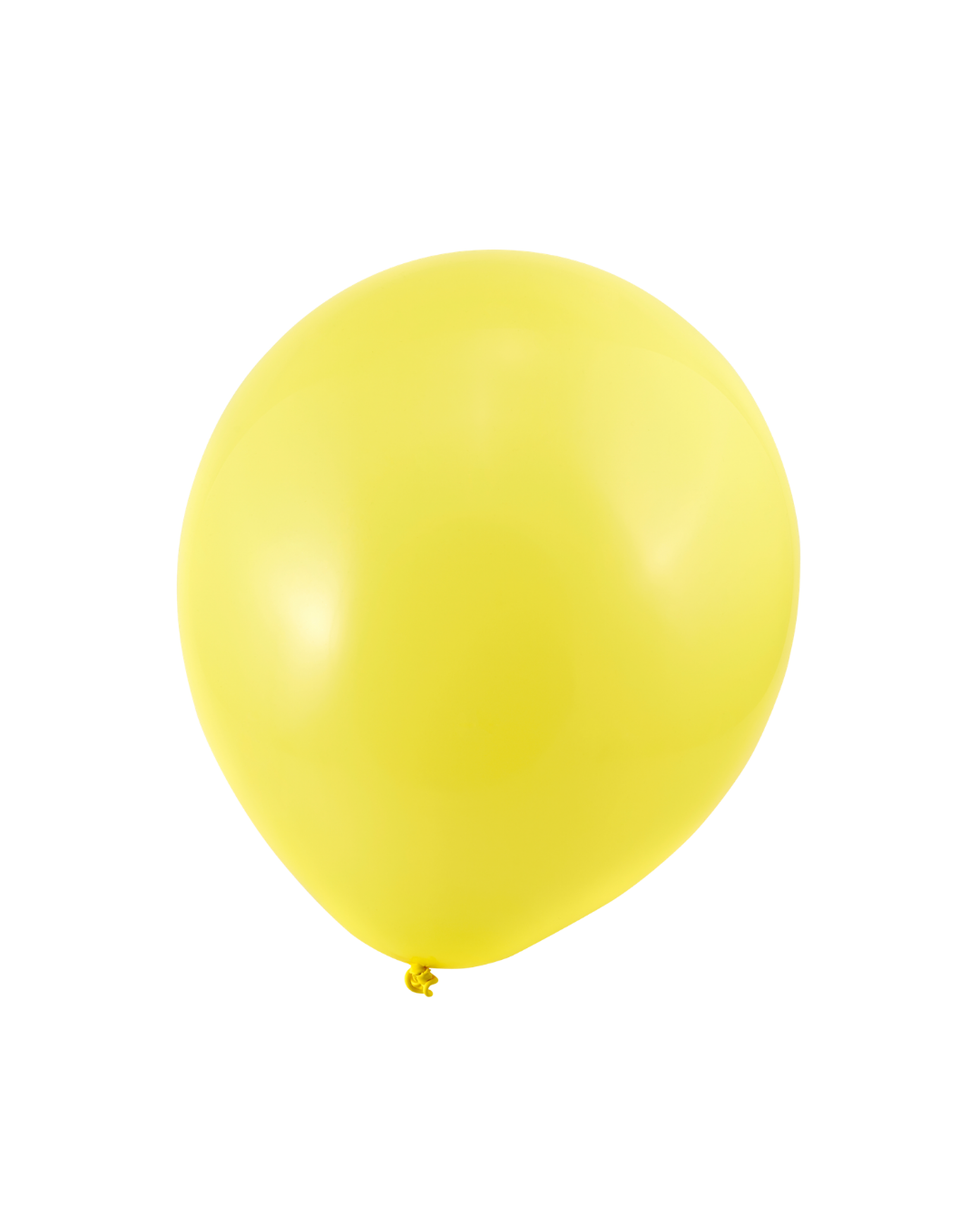
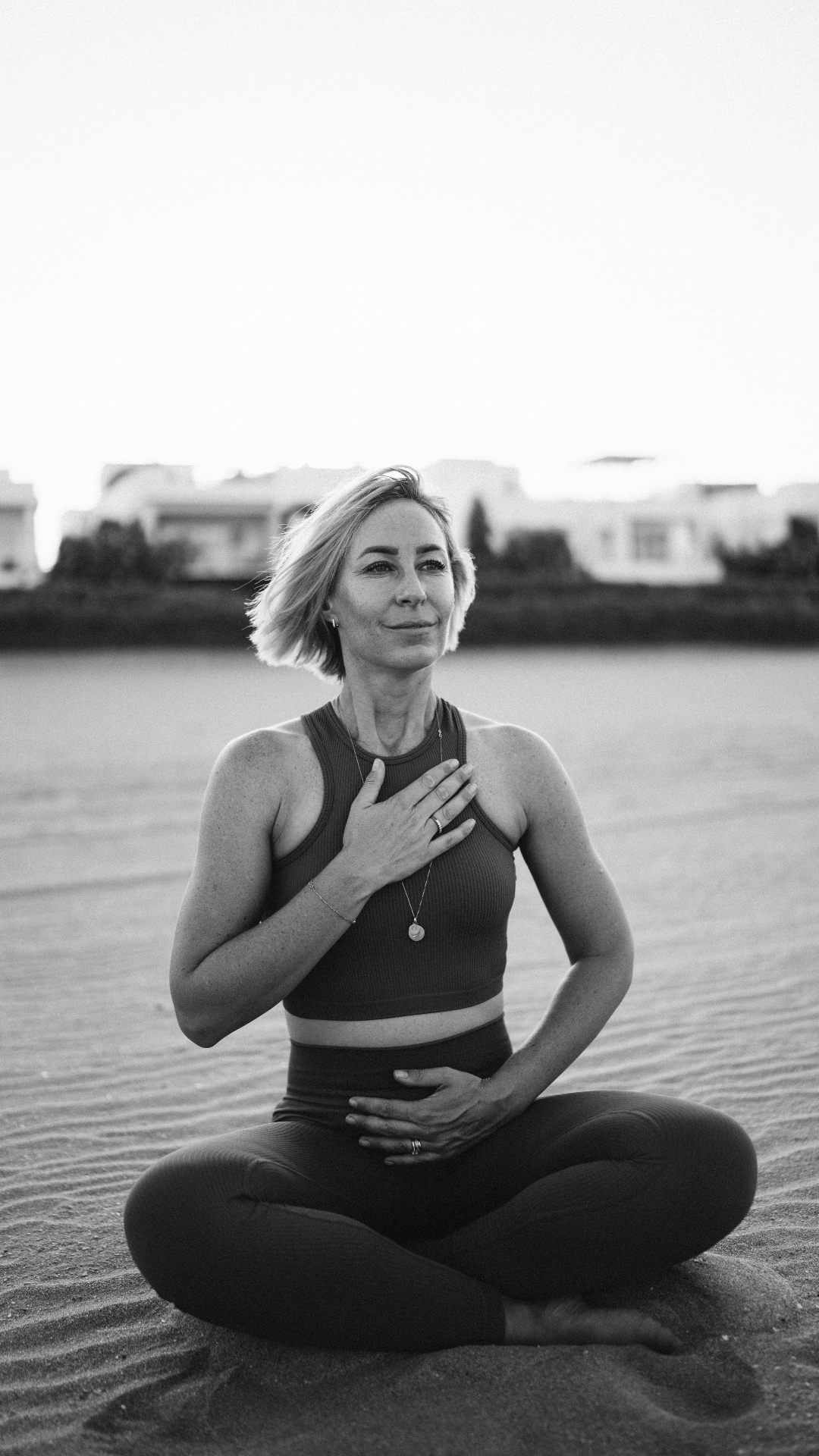
When you first learn the Deep Belly Breath (diaphragmatic breathing) technique, it may be easier for you to imagine that you have a balloon in your tummy. Every time you breathe in, the balloon inflates. Each time you breathe out, the balloon deflates. Notice the sensations in your abdomen as the balloon inflates and deflates. Your abdomen rising with the in-breath, and falling with the out-breath.
When you first learn the diaphragmatic breathing technique, it may be easier for you to follow the instructions lying down then you progress to sitting up with practice.
1: Breathe in slowly through your nose for a count of 4 – focussing on your belly inflating like a balloon.
2: Hold your breath for a count of 2 with your stomach inflated like a balloon.
3: Exhale for a count of 6, focussing on your stomach deflating like a balloon.
4: As you become more skilled at this practice you can elongate the counts above.